By Emily Theobald, Cornish Fish Producers Organisation Science and Policy Lead
The Cornwall Fisheries Science Board was established to bring fishermen, scientists, managers and policy makers together around the evidence needed to support better understanding of fisheries in Cornwall and the wider south west. As CFPO’s Science and Policy Lead, my role is to help turn the priorities raised by fishermen into practical science projects, strengthen the evidence base for fisheries policy, and make sure that industry knowledge is properly understood alongside formal science. This blog will form part of a regular update from the Cornwall Fisheries Science Board, sharing what we are learning, where the evidence gaps are, and how science can support better decisions for the fishing industry and the marine environment.
In May, I visited Malaga in Spain for the Marine Stewardship Council’s Global Octopus Summit. The event brought together representatives from more than ten countries to discuss octopus fisheries, science, data, markets and future trends. For the CFPO, the timing of the summit was especially relevant. The south west is currently experiencing a significant increase in octopus, with many fishermen seeing levels well beyond what would normally be expected. This brings opportunity, but it also raises important scientific questions. What is driving the increase? Is this likely to be temporary, cyclical, or part of a longer term change? What do we need to understand about octopus biology, distribution and catch patterns? And what are the wider ecological effects, particularly for shellfish stocks? The summit was a valuable opportunity to learn from countries with long standing octopus fisheries and to understand how they collect evidence, track change and build knowledge around a species that can be highly variable from year to year.
Learning from established octopus fisheries
One of the clearest messages from the summit was that good data matters. Many countries with long standing octopus fisheries place strong emphasis on understanding catch per unit effort, environmental conditions, size, maturity and seasonal changes. Catch per unit effort is especially important because it can help show whether changes in landings are being driven by more fishing activity, greater abundance, changes in octopus behaviour, or wider environmental conditions. Although, for the majority of these fisheries, pot limits were in place, which makes understanding CPUE more straightforward. This kind of evidence can help provide an early indication of what may be happening in the fishery. For the UK, where the current increase in octopus is still not fully understood, this type of evidence could be extremely valuable. It could help move discussion away from assumption and towards a clearer understanding of what is actually happening at sea.
Learning from Spain
During the visit, I also had the chance to see Motril fishing port, where we saw different types of octopus pots. In Spain, octopus are caught using black habitat pots, which are not baited, as well as small baited traps. Both types of gear are similar to methods already being used in the south west.
Octopus in Motril are also measured, with gonads removed to assess maturity. This kind of biological data is important because it helps build a better understanding of the stock, including size, maturity and reproductive patterns. The summit made it clear that even well established octopus fisheries can be fragile. Many countries described good and bad years happening close together, with significant variation between seasons. That suggests we should be cautious about assuming the south west now has a consistent year on year fishery. Octopus appear to be highly sensitive to environmental conditions, including temperature and rainfall.
There is little doubt that temperature is playing a role in the current bloom in the south west. Previous blooms have been recorded in the UK in 1899, the 1930s and the 1950s, so this is not entirely without precedent. However, the scale and timing of the current influx means we need to improve our understanding quickly.
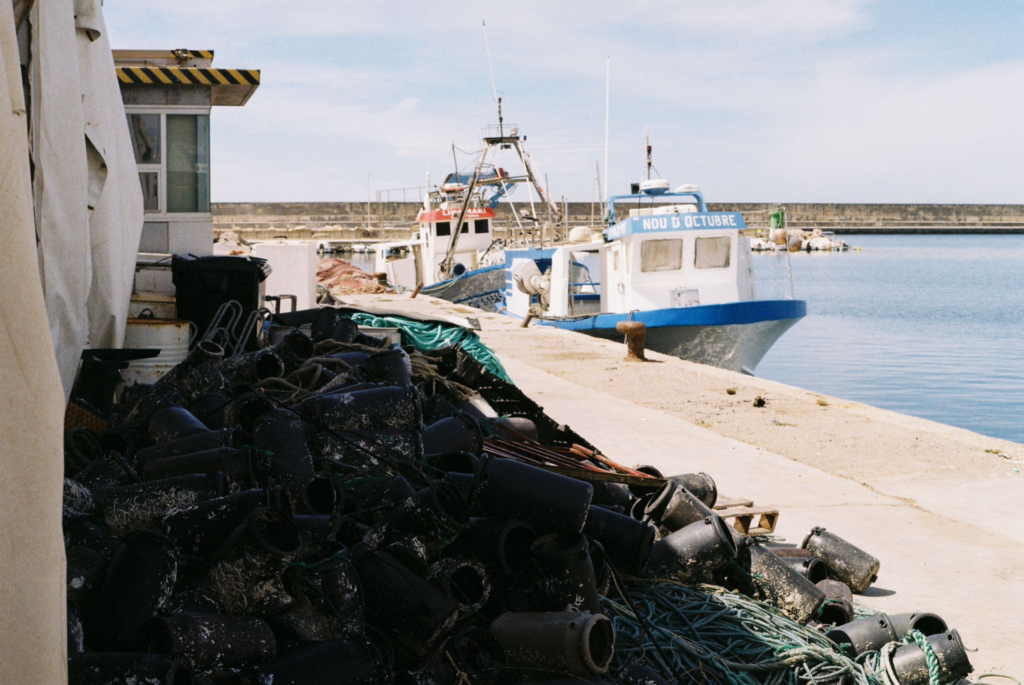
Pictured is Motril fishing port, with octopus habitat pots in the foreground. Octopus are caught in Spain using the black habitat pots (non-baited), and small baited traps, both are similar to gear used in the south west.
The need for better evidence
At present, more evidence is needed to understand population trends, catch per unit effort, spatial distribution and the biological profile of the octopus being caught. Moving towards more real time data would give fishermen, scientists and policy makers a much stronger basis for understanding change as it happens. This is not just about counting octopus. It is about understanding the wider picture: where octopus are being seen, how quickly patterns are changing, what environmental conditions may be linked to the increase, and what effects the bloom may have on other important species.
Without this information, policy discussions risk being based on partial evidence or short term assumptions. If octopus is to become an important species for the south west, it needs to be supported by science from the start.
This is exactly the kind of challenge the Cornwall Fisheries Science Board has been set up to address.
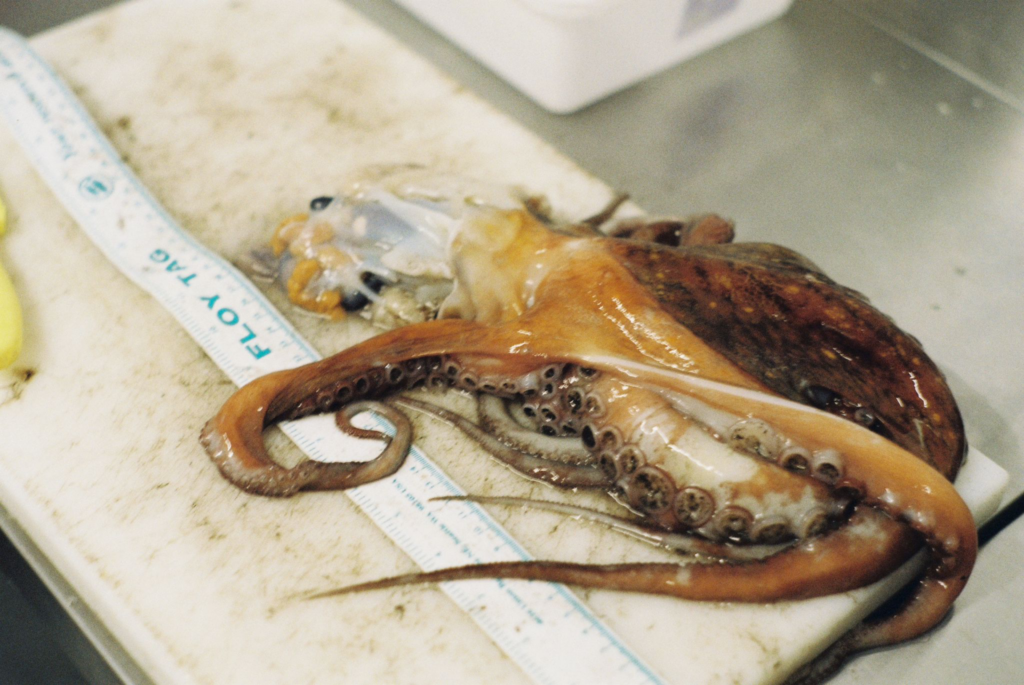
Octopus in Motril are measured, with the gonads removed, to assess the maturity.
Octopus as an early priority for the Cornwall Fisheries Science Board
The Cornwall Fisheries Science Board has agreed to make octopus one of its early priorities. The likely first steps will include gathering catch rate data, spatial data and biometric data, so we can start to build a clearer picture of what is happening. This work matters for two reasons. First, it can help identify whether octopus could provide a productive opportunity for the Cornish fleet. Second, it can help us understand the wider effects, particularly on shellfish stocks and the wider marine environment. The current increase in octopus presents both opportunity and uncertainty. The right response is to build the evidence base needed to understand the species properly, and to ensure future policy is shaped by good data and practical knowledge from those seeing the changes first hand. By learning from countries with long standing octopus fisheries, and by collecting better data here in Cornwall, the Board has a chance to support a clearer understanding of this emerging fishery and its place within the wider marine environment.
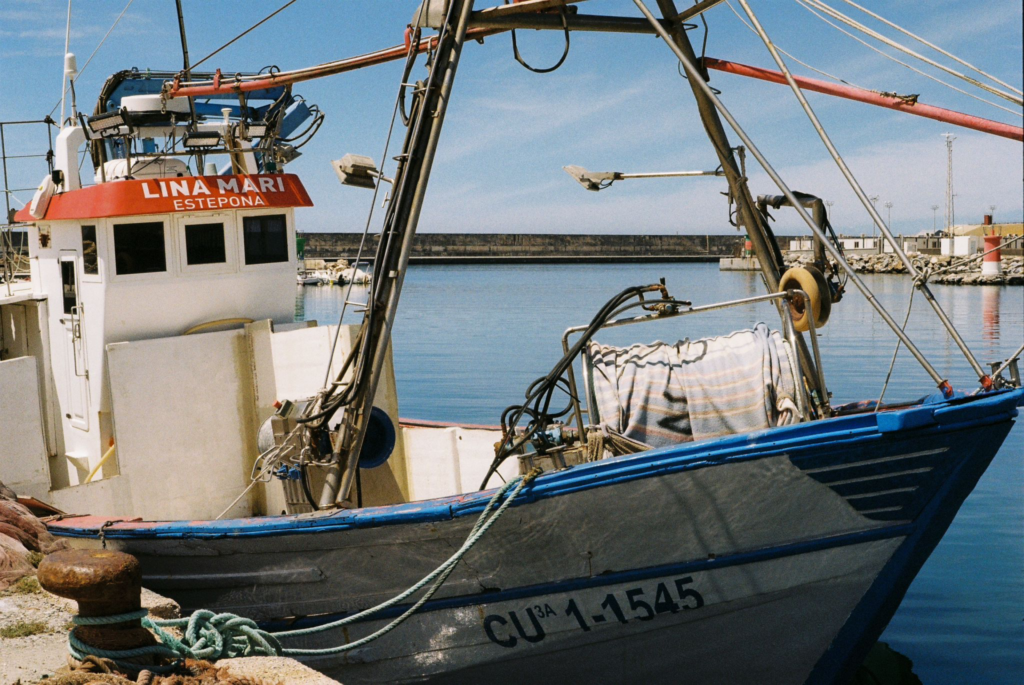
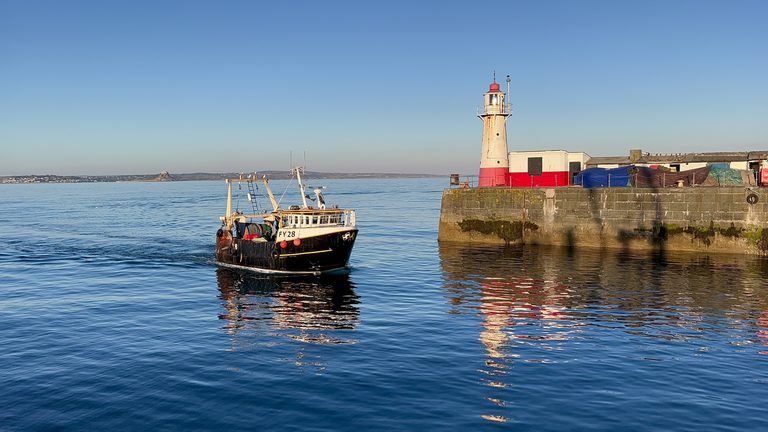
A typical inshore vessel which would be targeting octopus.
Looking ahead
This will be the first in a regular series of updates from the Cornwall Fisheries Science Board. Future blogs will look at the priority species, evidence gaps and science projects being developed through the Board, with a focus on how better data and stronger collaboration can support practical fisheries policy. The aim is simple: to make sure that fishermen’s knowledge, scientific evidence and policy discussions are better connected, so that Cornwall’s fishing industry has the evidence it needs to adapt, respond and thrive.
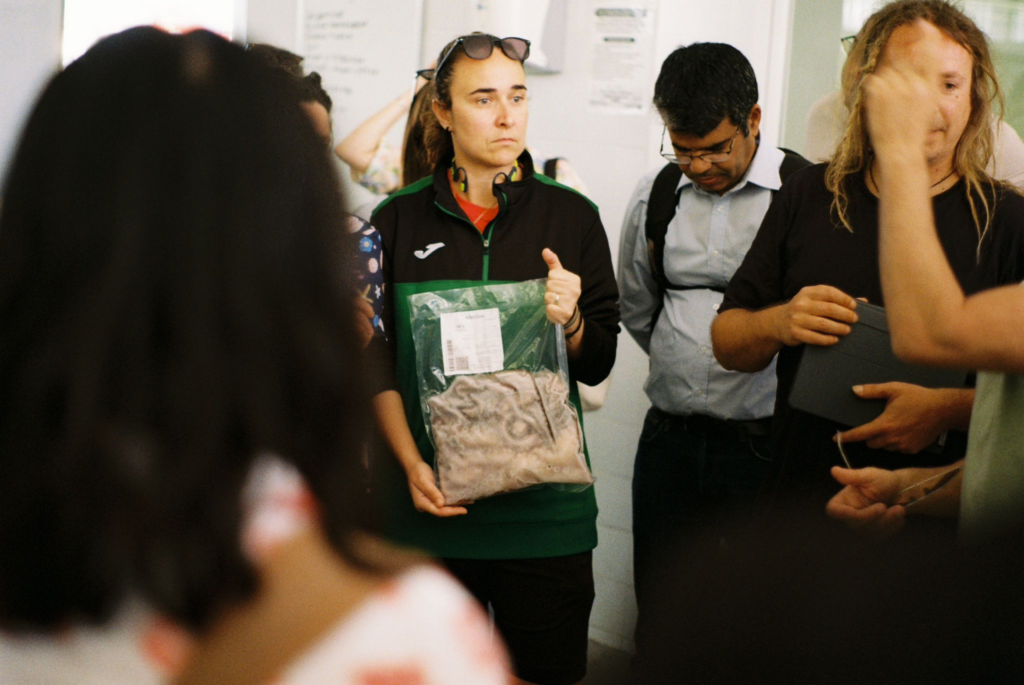
Octopus is vacuum packed, and sold frozen.
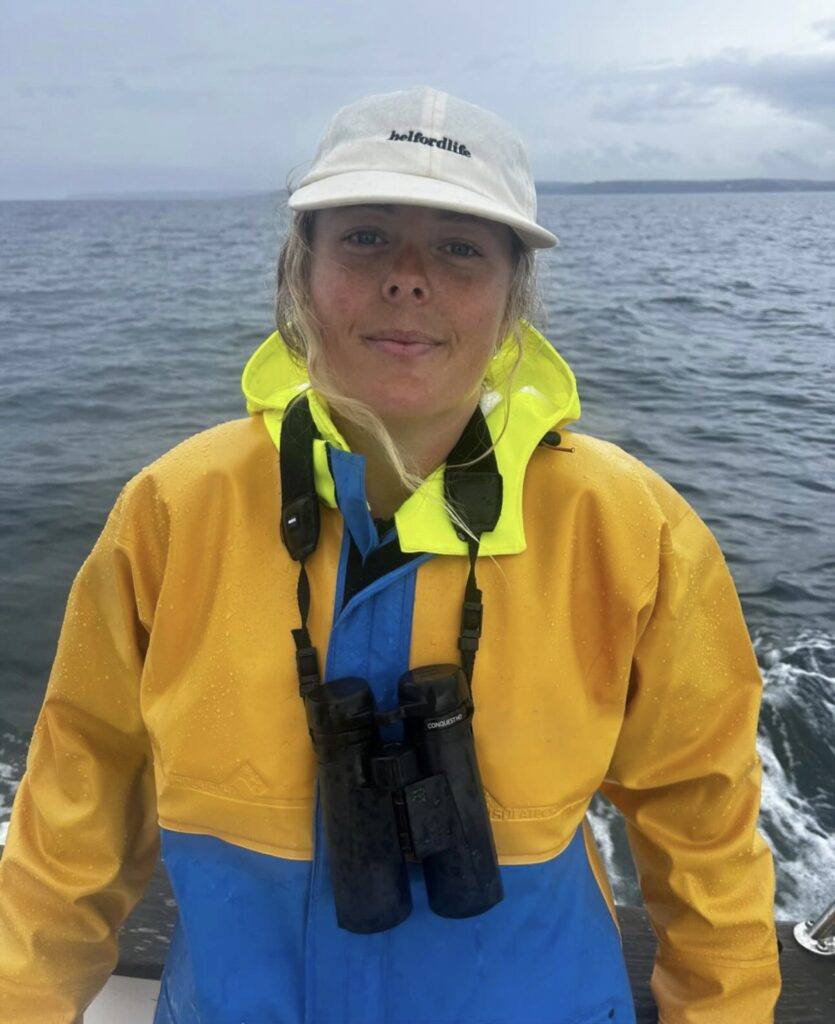
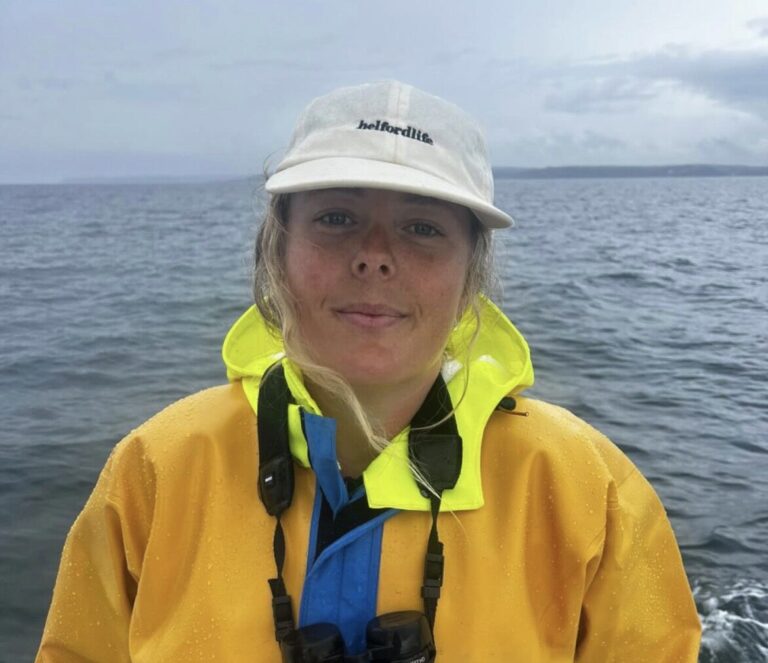
Emily heads up the science and policy side of the CFPO and the newly launched Cornwall Fisheries Science Board. She works closely with the Board and CFPO members to coordinate a range of scientific projects that are collaborative and industry-led.